
Guide
Watch Grading & Condition Guide
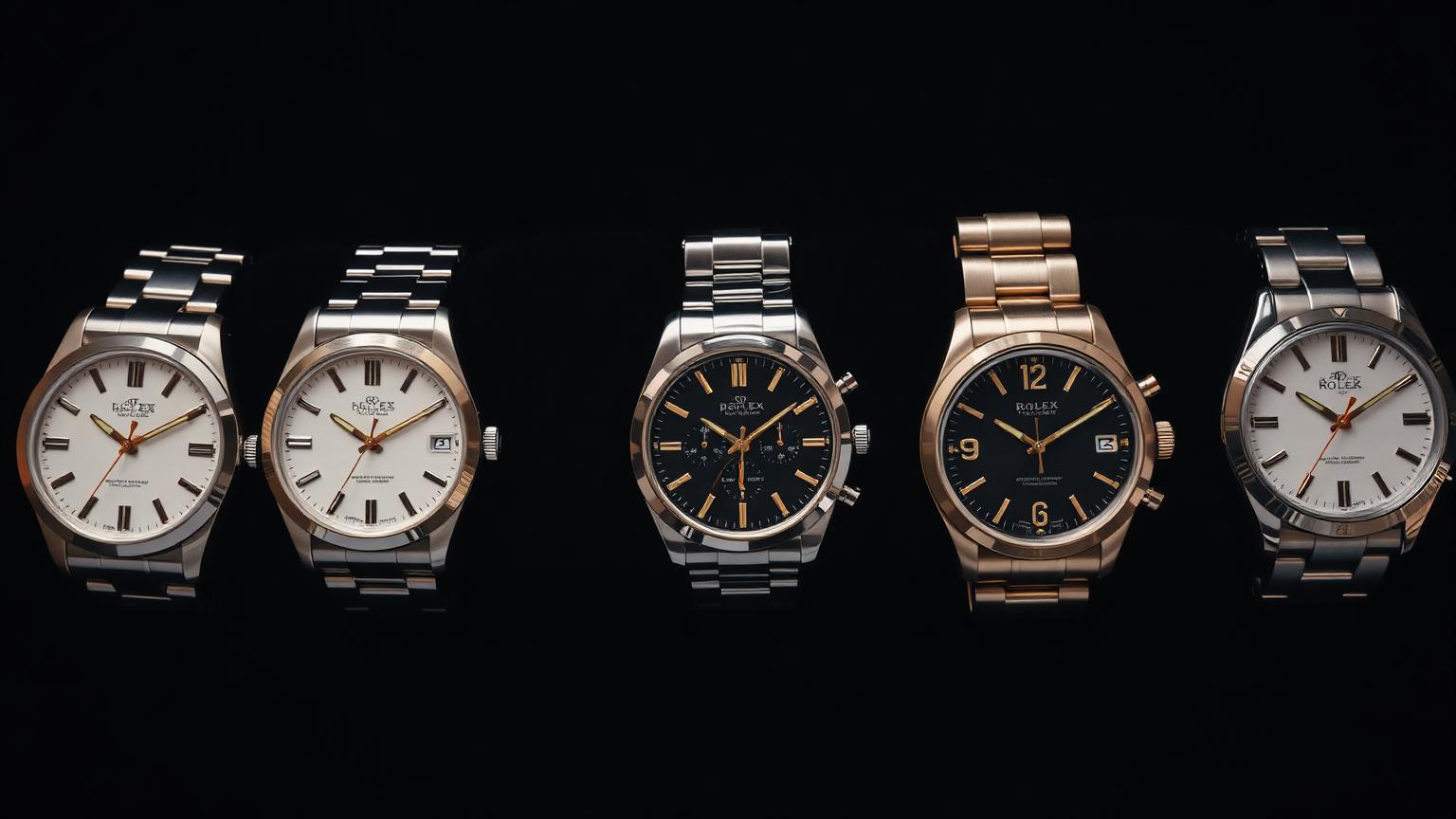
There's no central authority that grades watches the way there is for coins or trading cards. That's the first thing you need to know, and it's exactly why condition language gets abused. Mint, like new, excellent, these words mean whatever the seller wants them to mean unless you know how a dealer actually reads them. After years of buying and selling, here's the honest translation of the terms you'll see in listings, and what each one should cost you.
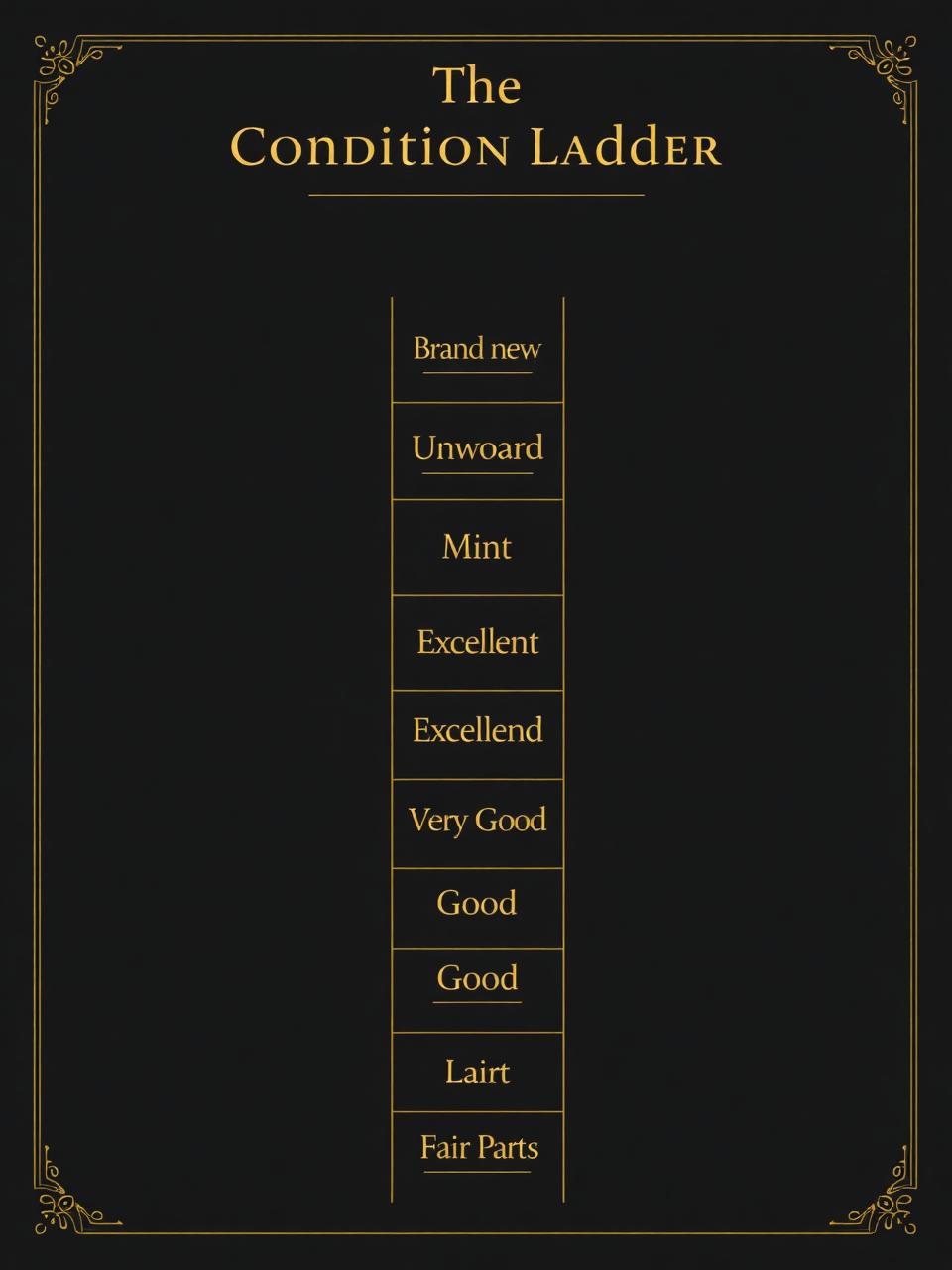
The condition ladder, top to bottom
Brand New / New Old Stock (NOS): purchased from an authorized dealer, never sold to an end user, full factory stickers often still on. Commands full retail or above. Unworn: the most abused word in the market. Technically it means the watch has never been worn on a wrist, but it may have been sold, may have left the boutique, and the warranty may already be ticking. Always ask: unworn, or unworn and unsold? Mint / Like New: no visible wear to the naked eye. Under a loupe or in raking light a trained eye may find hairlines, but at arm's length it presents as new. Excellent: light, honest signs of careful wear, faint hairlines on the clasp, maybe a barely-there mark on the bracelet. Everything is original and unmolested. For most buyers who actually wear their watches, this is the sweet spot. Very Good / Good: visible wear consistent with regular use, noticeable scratches, some bracelet stretch. Priced to reflect the wear, often the best value if you plan to wear and eventually service the piece. Fair / Poor / For Parts: heavy wear, possible mechanical issues, damaged crystal, or missing components. Only worth it if the price reflects a project.
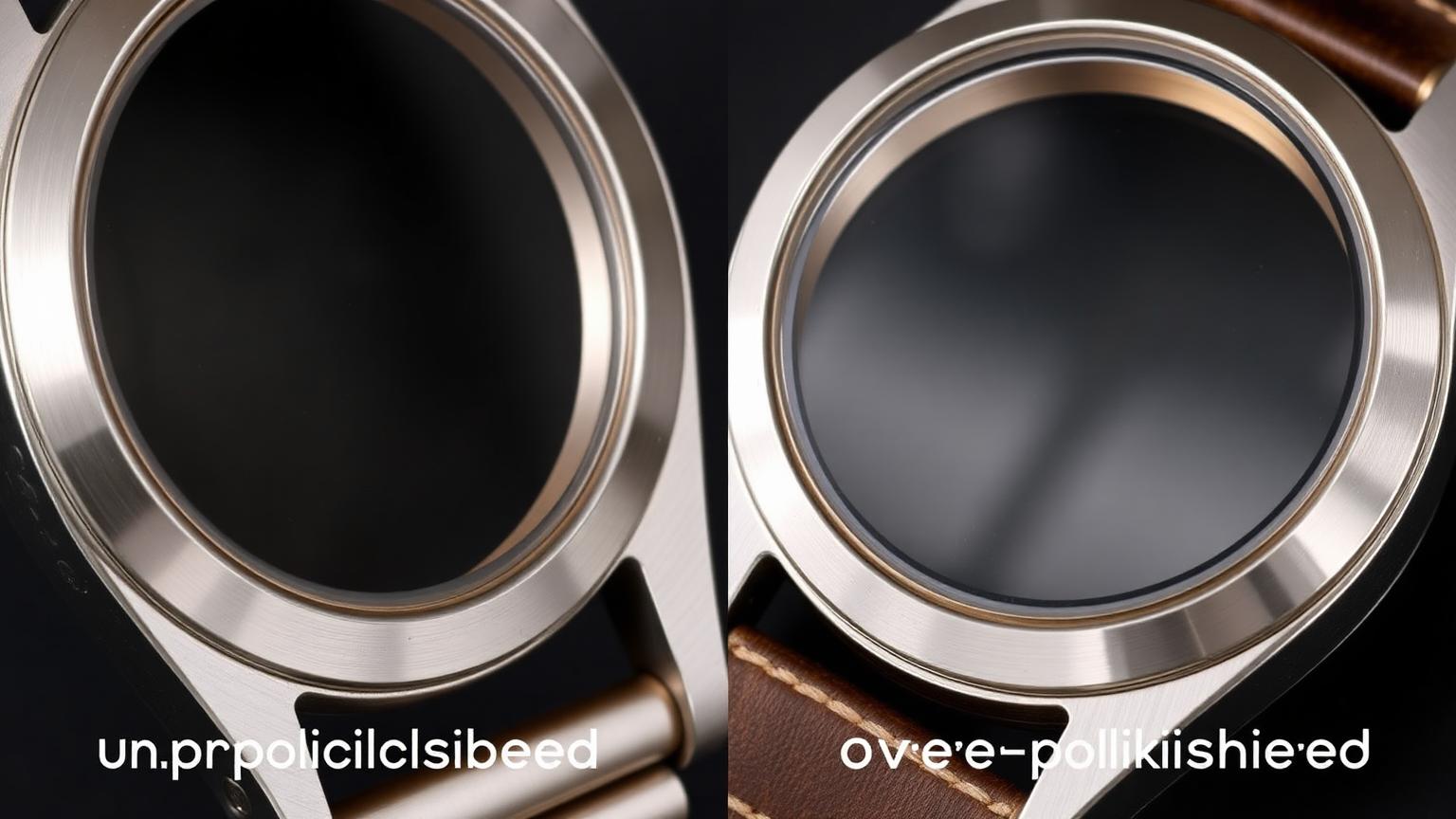
The polishing question, read this before you buy vintage
Here's a distinction that separates informed buyers from the rest: a polished watch is not always a better watch. Polishing removes scratches, yes, but it does so by removing metal, softening the sharp factory case lines and beveled edges that define a watch's silhouette. On modern pieces a light, professional polish is generally fine. On vintage, an original unpolished case with crisp lugs is worth a significant premium over a polished one, even if the polished one looks cleaner. A seller advertising a vintage piece as freshly polished, looks new may have just erased value. When you see unpolished on a vintage listing, that's a feature, not a flaw.
Original vs. service parts
Condition isn't only about wear, it's about originality. During a service, Rolex and others routinely replace worn dials, hands, bezels, and crystals with current parts. A watch can be in mint condition because it received a fresh service dial. That's a legitimate, well-maintained watch, but collectors pay premiums for all-original examples, and a service dial can meaningfully lower value on a vintage reference. Ask specifically: original dial, hands, bezel? Service isn't a dirty word, but it belongs in the description.
The full-set factor
Condition of the watch is only half the equation. A full set (original box, warranty or guarantee card, booklets, hang tags, and any accessories) can add roughly 20% to value. A watch only or head only listing is cheaper for a reason. The card matters most: on modern references it's the primary proof of purchase date, and on any watch it's a key authenticity anchor. If a two-year-old Rolex has no card, ask why before you fall in love.
How to actually read a listing
Get real photos under natural light, macro of the case, lugs, clasp, and dial, not stock images. Treat vague superlatives (stunning, flawless) as marketing until the photos prove them. Ask directly: worn or unworn? Polished or unpolished? Original dial, hands, bezel? Full set or watch only? Service history? Cross-check the asking price against the condition-appropriate market, a mint price on a good watch is the most common overcharge.
The bottom line
Because no universal grading body exists, condition language is negotiation language. Learn the ladder, insist on the originality details, respect the unpolished premium on vintage, and price the full set into the equation. The best buys usually aren't the mint unworn listings at the top, they're the honest excellent, all-original, full set pieces that let you wear the watch without paying for perfection you'd wear away anyway.