
Guide
Expert Comparison Guides
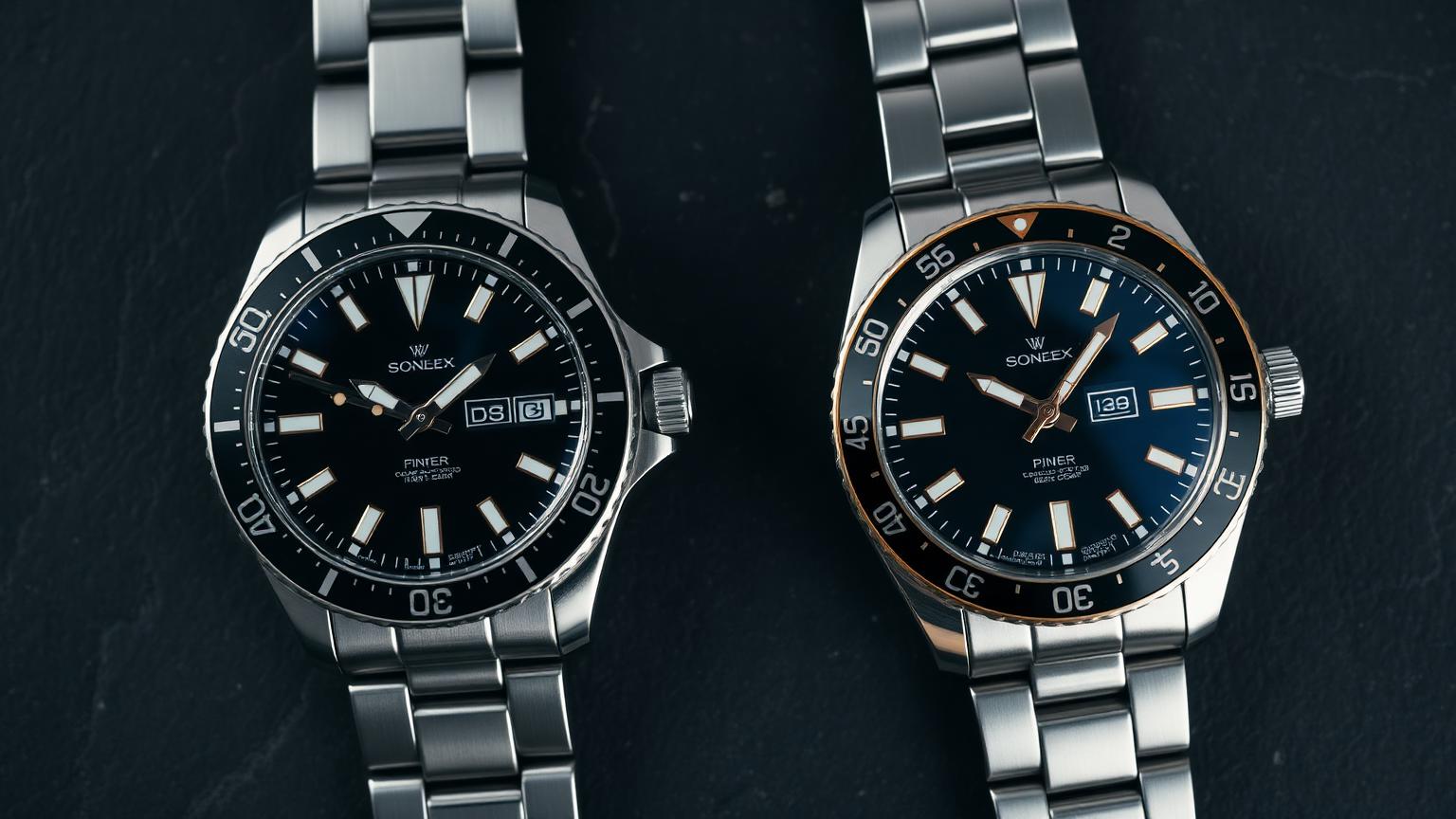
Some of the hardest buying decisions aren't between good and bad watches, they're between two great watches that do almost the same thing. Submariner or GMT-Master II? Royal Oak or Nautilus? These come up on my bench constantly, and the answer is almost never this one is better. It's this one is right for you. Here's how I break down the classic head-to-heads.
Rolex Submariner vs. GMT-Master II
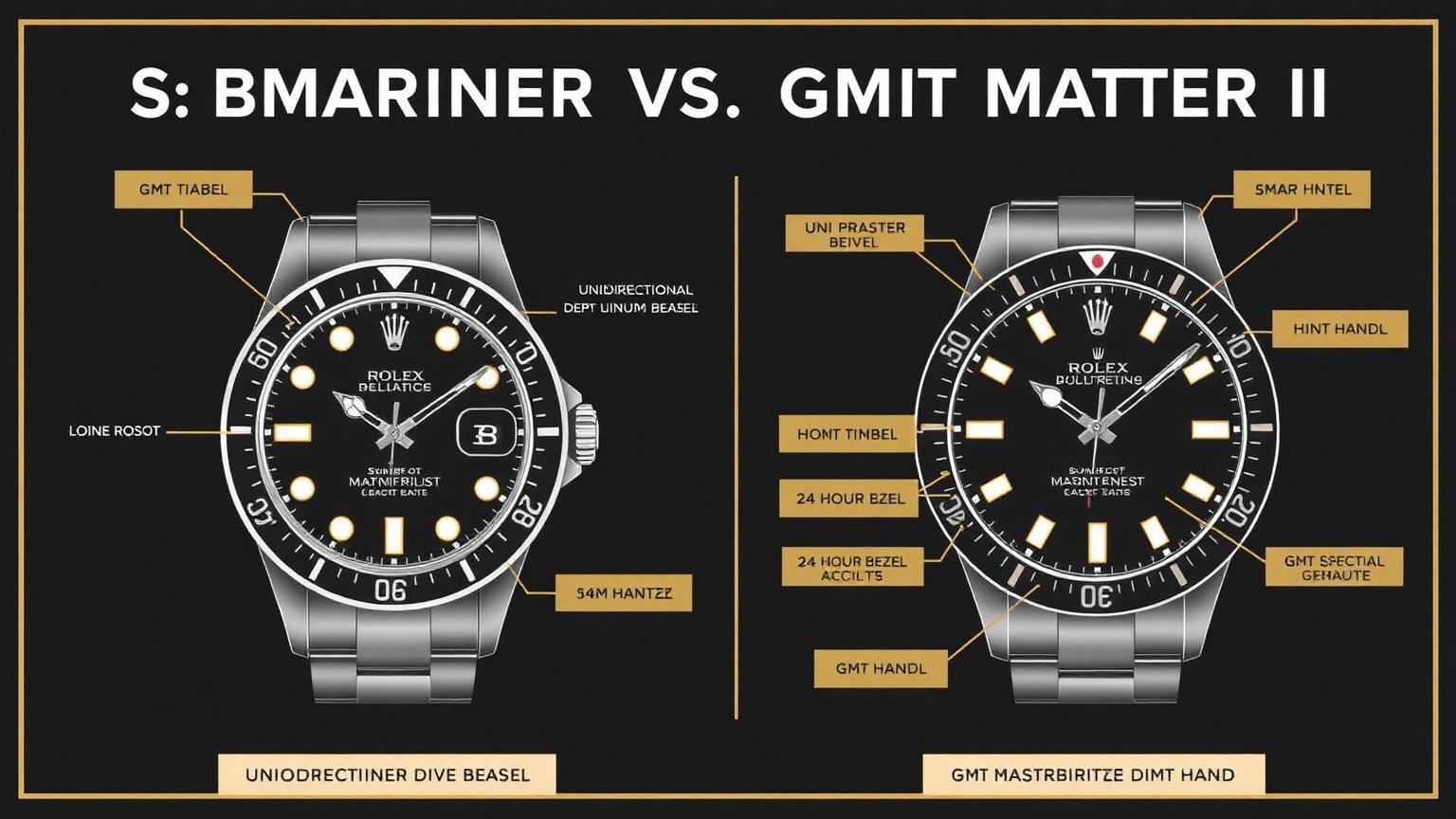
These two share a case size, a bracelet, and a family resemblance so close that people cross-shop them without realizing they're built for different jobs. The Submariner is a purpose-built dive watch. Its defining feature is the unidirectional rotating bezel, it only turns counter-clockwise, so if you knock it, your tracked dive time can only shrink, never grow, which is a safety feature underwater. It's the more monochrome, tool-focused, timeless design. If you want one watch that reads as a Rolex to everyone and disappears into any wardrobe, this is it. The GMT-Master II is a travel watch. It adds a 24-hour hand and a two-color rotating bezel so you can read a second (or even third) time zone at a glance, born from Pan Am pilots crossing the Atlantic. The famous Pepsi (blue and red) and Batman (blue and black) bezels give it more personality and, frankly, more presence on the wrist.
When each Rolex makes sense
Choose the Submariner if you value understated versatility, actually get in the water, or want the most universally recognized single-watch answer. Choose the GMT-Master II if you travel across time zones, want the extra complication, or simply prefer the sportier two-tone bezel look. One market note: GMT Pepsi prices have been volatile lately on renewed discontinuation rumors, so if you're cross-shopping partly on resale, the GMT currently carries a bit more speculative heat.
Royal Oak vs. Nautilus
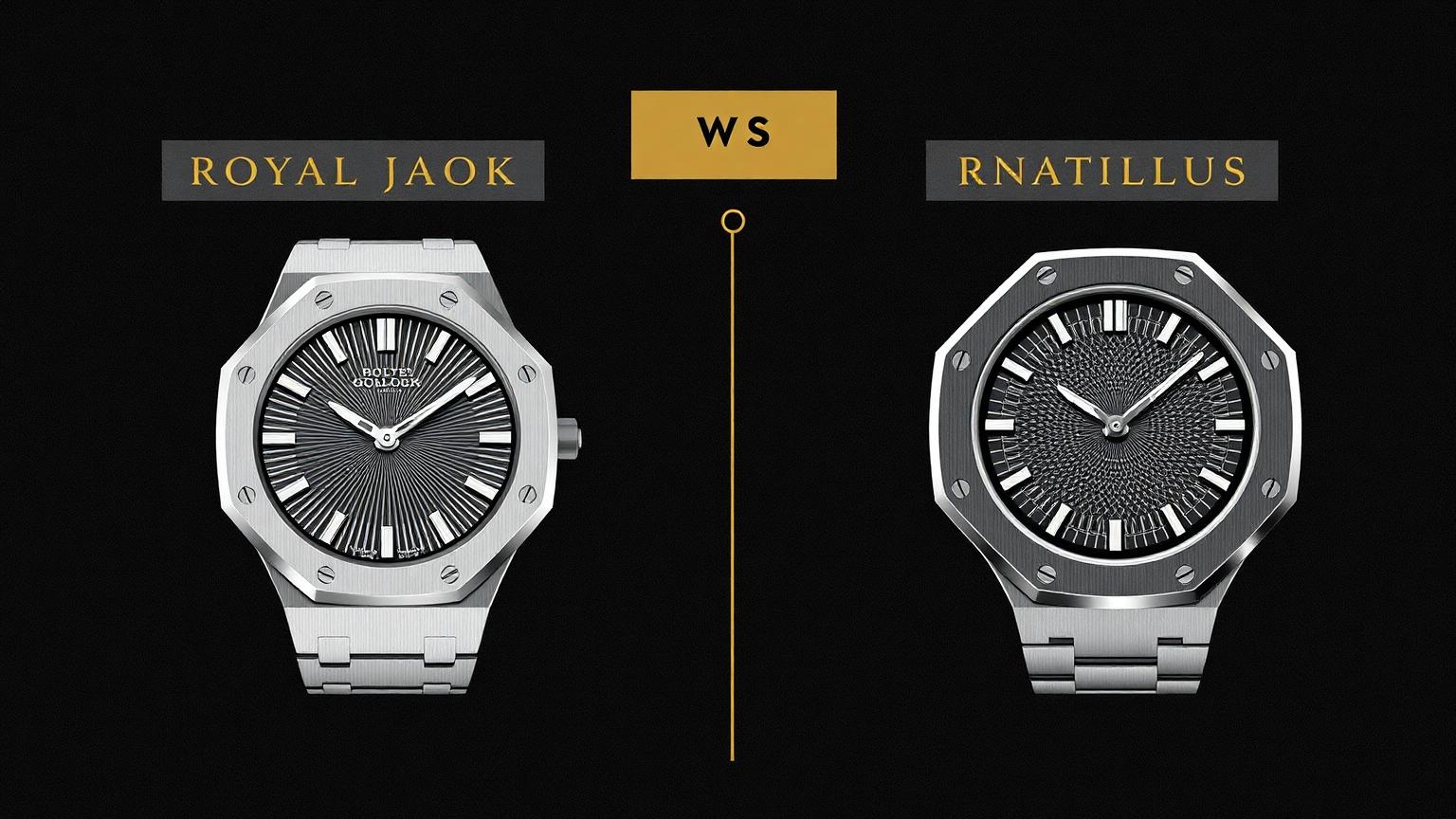
The two icons of the luxury sports-steel category, both designed by the legendary Gérald Genta, both born from the same 1970s idea that a steel watch could cost more than gold. Choosing between them is almost a personality test. The Audemars Piguet Royal Oak (1972) is the sharper, more architectural of the two. Its signature is the octagonal bezel with eight exposed hexagonal screws and the Tapisserie waffle dial. It wears bold and geometric, it announces itself. The integrated bracelet is a masterclass in finishing. The Patek Philippe Nautilus (1976) is the softer, more elegant sibling. Its porthole-inspired case with rounded ears at the sides and horizontally embossed dial reads as sportier-but-dressier. Where the Royal Oak is aggressive, the Nautilus is suave. It's also the watch that became the ultimate status object of the last decade, which is both its appeal and its baggage.
When each Genta icon makes sense
Choose the Royal Oak if you want the bolder, more architectural statement, love the exposed-screw industrial look, and want the design that arguably started the whole genre. Choose the Nautilus if you prefer refined elegance over aggression, want the softer silhouette, and are comfortable with the attention it draws. The honest market reality: the Nautilus 5711 was the poster child of the 2022 speculative bubble, it peaked near $200,000 and has since roughly halved to around $100,000. The Royal Oak corrected too but less violently. Neither is a value purchase, and both trade well above retail.
The smart-money alternatives
Since I'd be doing you a disservice not to mention them: the integrated-bracelet steel sports category now has serious options below Genta-icon prices. The Vacheron Constantin Overseas offers arguably finer finishing than either at a lower entry point. Cartier's Santos, currently one of the strongest performers in the segment, delivers integrated-bracelet design pedigree for a fraction of the cost. And Tudor (Black Bay and beyond) gives you genuine tool-watch substance with one of the highest sell-through rates in the market, meaning easy resale. None of these are the icon, but all of them are more watch-per-dollar.
How I'd actually decide
Strip away the hype and it comes down to three questions. One: what will you use it for? Real diving or travel points you to Submariner or GMT. Pure wrist presence points you to Royal Oak or Nautilus. Two: how much attention do you want? Submariner and Nautilus are the quieter of each pair; GMT and Royal Oak are the louder. Three: does resale matter to you? The Big Three icons hold value best but you pay a premium up front; the alternatives give you more design for less but softer resale.
The bottom line
There's no wrong answer in any of these matchups, only a right answer for a given wrist and a given life. Buy the one you'll reach for every morning, not the one a forum told you to buy. And if the icons are stretching your budget past comfort, the alternatives category has never been stronger.